
McLean's Tysons Corner Center stores are gearing up for a new era with comprehensive telemarketing training. This proactive move comes in response to evolving consumer preferences and strict Do Not Call laws in Virginia, enforced by lawyers specializing in this area. The training focuses on enhancing customer relations through responsible sales practices, ensuring compliance while leveraging the power of telemarketing to foster stronger connections with clients. Key takeaways from Virginia's Do Not Call laws will be highlighted, providing a comprehensive guide for stores navigating these changes.
McLean's Tysons Corner Center Stores Prepare for Change

In preparation for changing regulations in the telecommunications sector, McLean's Tysons Corner Center stores have been actively training their staff on telemarketing practices. This proactive move comes as Virginia's "Do Not Call" laws are set to undergo significant modifications, aiming to protect consumers from unwanted calls even further. With a lawyer for Do Not Call Virginia leading the charge on these changes, businesses across the state are adapting their strategies to ensure compliance and enhance customer relationships.
The training sessions have focused on refining communication skills, emphasizing the importance of obtaining explicit consent and respecting consumer preferences. By equipping their staff with these knowledge, McLean's aims to maintain a positive image while navigating the evolving legal landscape. This proactive approach reflects a broader industry trend, where businesses are recognizing the value of ethical telemarketing in fostering long-term customer satisfaction and loyalty.
Telemarketing Training: A Legal Must-Have
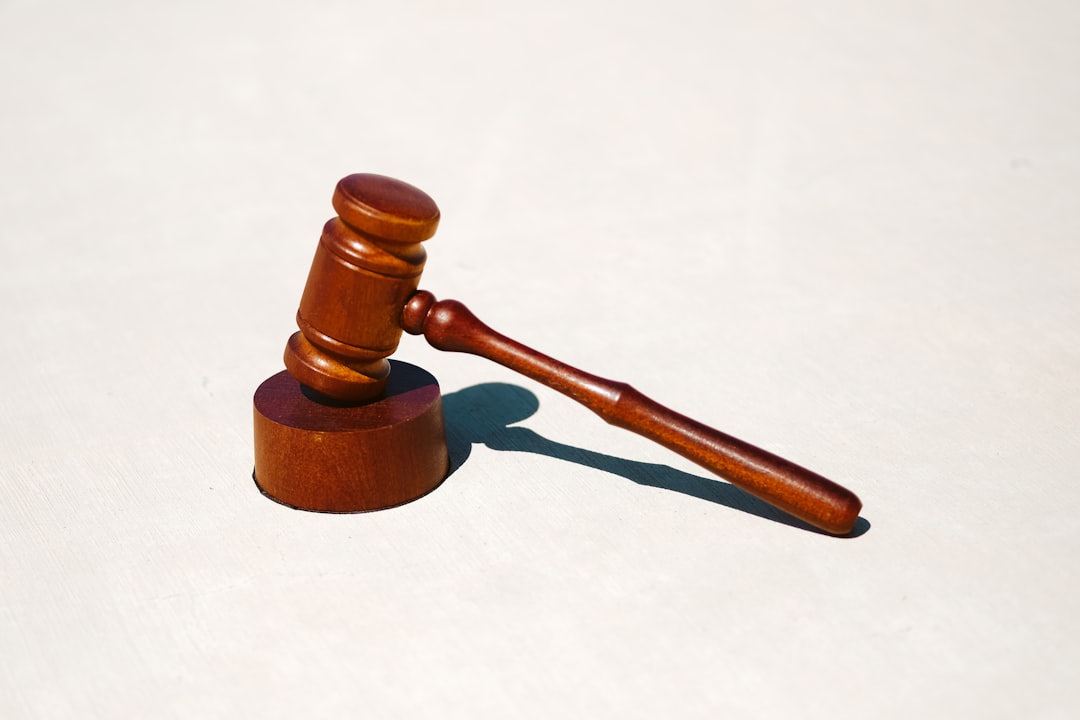
In the competitive retail landscape, effective communication is key to success. This is where telemarketing training becomes a legal necessity for stores in Virginia, especially those located in high-traffic areas like Tysons Corner Center. With strict regulations surrounding telemarketing practices, ensuring compliance is not just ethical but also legally imperative. A qualified lawyer for Do Not Call Virginia can guide retailers on navigating these laws to protect both businesses and consumers from unwanted or misleading calls.
Training programs often cover a range of topics, including recognizing and respecting do-not-call lists, understanding consent, and adhering to time restrictions. By implementing such training, stores not only avoid legal repercussions but also foster better customer relationships and enhance their reputation as responsible businesses operating within the confines of the law.
Do Not Call Laws in Virginia: Key Takeaways
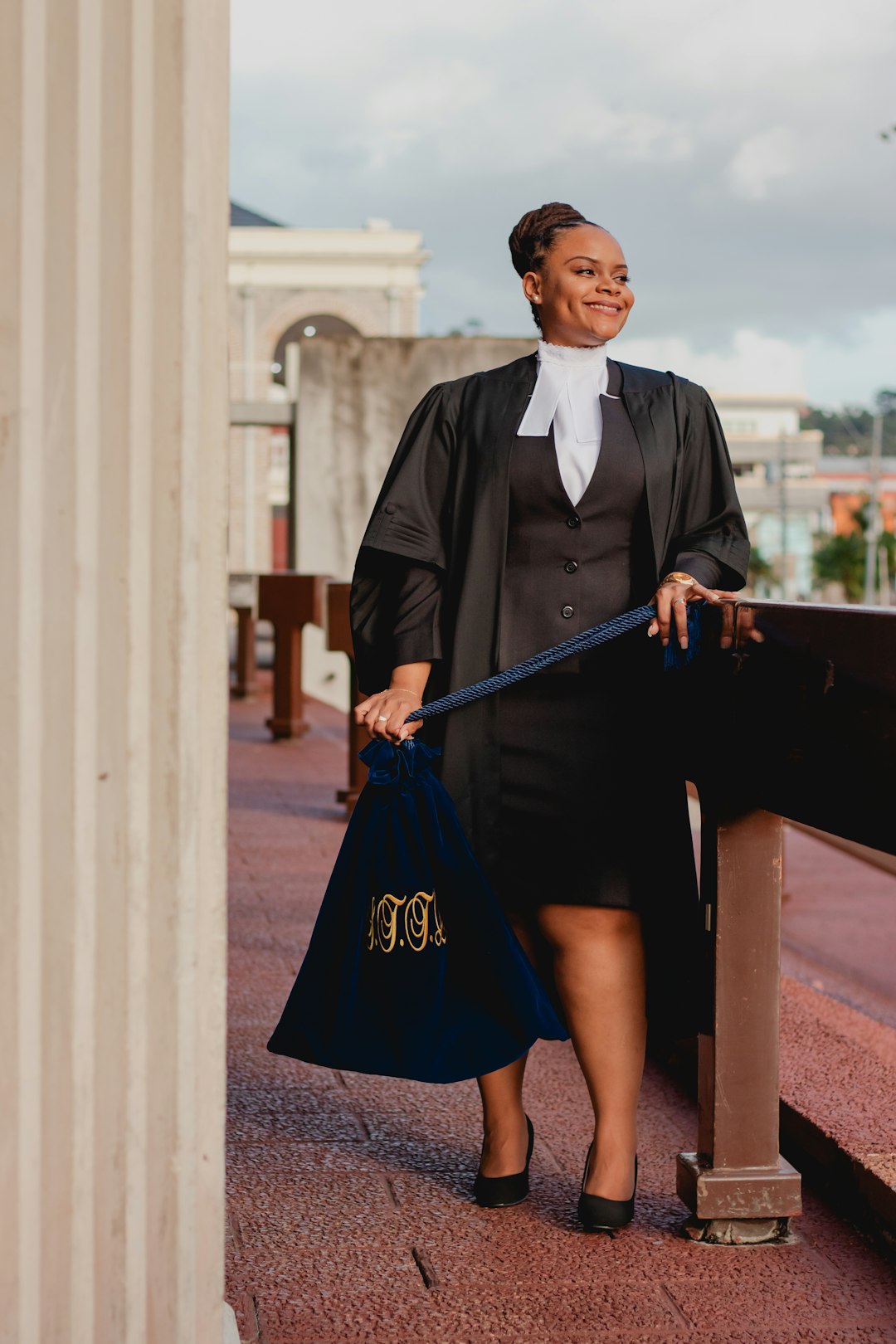
In Virginia, Do Not Call laws protect residents from unsolicited telephone solicitations. The key takeaways for McLean's Tysons Corner Center stores and any business in the state are as follows. First, it's crucial to understand that making telemarketing calls without proper authorization is illegal. This includes marketing, sales, or promotional calls to numbers listed on the Do Not Call registry.
A lawyer for a Do not call Virginia case can help businesses navigate these regulations and ensure compliance. Fines for violating these laws can be substantial, so it's essential to train staff on acceptable calling practices and maintain detailed records of calls made for marketing purposes. Businesses should also respect consumer choices regarding unwanted calls and provide clear opt-out options.
Enhancing Customer Relations Through Responsible Sales

In the competitive retail landscape, fostering strong customer relations is vital for success. McLean's Tysons Corner Center stores have recognized this and are taking proactive steps to enhance their sales approach through responsible telemarketing training. This strategy focuses on building meaningful connections with customers while adhering to legal guidelines, particularly those set by the Do Not Call list in Virginia.
By equipping their staff with the skills to conduct ethical sales conversations, the stores aim to increase customer satisfaction and loyalty. Responsible sales involve understanding individual customer preferences, providing valuable product information, and ensuring transparency throughout the interaction. This approach not only promotes trust but also complies with legal requirements, such as those enforced by a lawyer for Do Not Call Virginia, ensuring a harmonious business-consumer relationship.