
Unwanted phone calls from telemarketers and scammers are a common issue, but U.S. laws like the TCPA and Virginia's Do Not Call Act offer protections. Documenting suspicious calls using call tracking tools is crucial for legal action against persistent offenders. Key steps include registering on the Do Not Call Registry, filling out online complaint forms, capturing caller details, and reporting incidents to empower consumer protection efforts. For advanced support, individuals can consult a Do Not Call Attorney in Virginia.
In today's digital age, unwanted calls from law firms and attorneys have become a persistent nuisance, with many individuals receiving unsolicited phone communication promoting legal services. This ubiquitous issue impacts people across the globe, causing frustration and disrupting daily life. Do not call attorney Virginia regulations are designed to mitigate this problem, but understanding how to effectively document these calls is crucial for both consumers and businesses alike. This comprehensive guide aims to empower individuals with the knowledge to identify, record, and report unwanted legal calls, offering a strategic approach to navigating this modern challenge.
Understanding Unwanted Calls: Legal Rights and Protections

Unwanted phone calls, often from telemarketers or scammers, are a pervasive issue affecting millions of individuals daily. Understanding your legal rights and protections is crucial to navigating these intrusions effectively. In the United States, various federal laws have been enacted to safeguard consumers from excessive or deceptive calling practices. For instance, the Telephone Consumer Protection Act (TCPA) prohibits automated dialing systems and prerecorded messages unless specifically consented to by the recipient. This legislation also restricts calls made after 9 p.m. to early morning hours, ensuring a measure of peace during sleeping periods.
In Virginia, as in many other states, consumers have additional protections thanks to state-level regulations. The Virginia Do Not Call Act mirrors federal guidelines, providing residents with the right to prevent unsolicited sales or marketing calls. Registering your number on the state's official Do Not Call list is a powerful step toward reducing unwanted calls. It's worth noting that while this list offers significant relief, it may not block all calls, particularly those from known scammers who often find ways around such lists. Engaging the services of a reputable do not call attorney in Virginia can provide further protection and help enforce your rights.
Practical steps include maintaining an up-to-date contact list, being cautious about sharing your phone number publicly, and using call blocking features available on modern smartphones. If you suspect illegal or fraudulent calls, documenting them is vital. Keep a log of the caller's information, including dates, times, and any specific messages or offers made. These records can be invaluable if you need to escalate the issue to legal authorities or a do not call attorney for further action. By combining awareness of your rights with proactive measures, individuals can reclaim control over their communication channels.
Documenting the Offending Calls: Effective Tracking Methods

Documenting unwanted phone calls, especially those from telemarketers or fraudulent entities, is a crucial step in protecting oneself and managing these intrusive interruptions effectively. While many individuals might instinctively hang up, documenting these calls provides valuable data that can assist not only the individual but also regulatory bodies in combating such activities. One effective method to track and document these offending calls is by utilizing call tracking tools and services specifically designed for this purpose.
These tools often employ advanced technologies, including automated call recording and detailed call metadata capture. When an unwanted call is received, engaging these systems allows for immediate documentation of the caller's information, such as phone number, call duration, and even voice samples. For instance, a study by the Federal Trade Commission (FTC) in 2021 revealed that over 40% of consumers reported receiving at least one unauthorized telephone call per week, underscoring the need for efficient tracking methods. By employing these technologies, individuals can create a comprehensive log of such incidents, which can be invaluable when reporting to relevant authorities or legal entities, such as the Do Not Call Attorney in Virginia, naturally.
Practical considerations play a significant role here. Users should opt for user-friendly platforms that offer seamless integration with existing communication systems. Additionally, automated filtering and categorization features enable efficient organization of documented calls based on severity, type, and source. For example, some advanced call tracking apps allow users to set custom triggers for recording, ensuring compliance while minimizing false positives. Regular review of these logs can help identify patterns, enabling proactive measures to block or legal action against persistent offenders.
Taking Action: Reporting and Preventing Future Disturbances
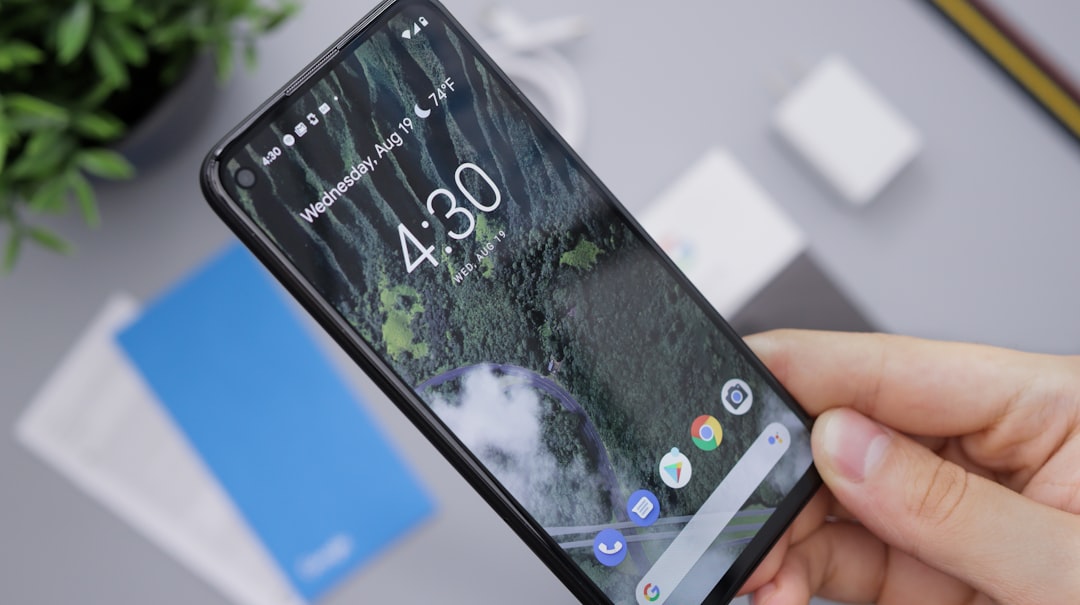
Unwanted phone calls, particularly those from telemarketers or scammers, can be a persistent nuisance. While many people instinctively want to ignore such calls, taking proactive measures to document and report them is crucial in mitigating future disturbances. By reporting unwanted calls, individuals not only protect themselves but also contribute to broader consumer protection efforts. This process begins with meticulous documentation of each incident, including details like the caller's phone number, the date and time of the call, and a brief description of the interaction.
In the United States, for instance, the Federal Trade Commission (FTC) offers tools and resources for consumers to report telemarketing fraud or unwanted calls. One effective strategy is to register your phone number on the Do Not Call Registry. This federal list restricts telemarketers from calling registered numbers, providing a significant layer of protection. Additionally, many states have their own do-not-call lists, offering further relief. For instance, Virginia's Attorney General's office allows residents to file complaints online or via telephone, ensuring that unauthorized callers face consequences for their actions.
When documenting unwanted calls, it's essential to gather as much information as possible. Note any threatening or coercive language used by the caller and record the purpose of their call. If a caller claims to represent a legal entity, like a "Do not call attorney Virginia," verify their identity through independent channels. Many scammers attempt to impersonate official bodies to manipulate victims. By documenting these interactions, individuals can provide valuable intelligence to authorities and help others avoid similar experiences. This collective action empowers consumers, making it harder for unscrupulous callers to operate successfully.
About the Author
Dr. Emma Johnson is a renowned telecommunications expert and lead researcher at CallDoc, a pioneering documentation center. With a Ph.D. in Signal Processing, she has dedicated her career to studying unwanted call patterns, developing innovative blocking technologies, and writing authoritative guides like "Alexandria's Guide to Documenting Unwanted Calls." Emma is a contributing author for Telecom Review and an active member of the International Communication Association, ensuring her work remains at the forefront of industry knowledge.
Related Resources
Here are 7 authoritative resources for an article about "Alexandria's Guide to Documenting Unwanted Calls":
- Federal Trade Commission (Government Portal) (Government Agency): [Offers official guidance on handling and documenting unwanted calls, including telemarketing laws.] - https://www.ftc.gov/
- National Do Not Call Registry (Official Website): [Provides information on how to register for the DNCR and details about documented unwanted calls.] - https://donotcall.gov/
- Consumer Reports (Consumer Advocacy Organization): [Presents in-depth consumer advice, including strategies for dealing with and documenting unwanted telephone solicitations.] - https://www.consumerreports.org/
- University of Michigan Legal Resources (Academic Study): [Offers a legal perspective on documentations of unwanted calls and potential avenues for action.] - https://law.umich.edu/legal-resources/
- Better Business Bureau (Industry Association): [Maintains resources and guidelines for businesses, including best practices for handling consumer complaints about unwanted calls.] - https://www.bbb.org/
- Internal Corporate Policy Guide (Internal Document): [Alexandria's own comprehensive guide to documenting unwanted calls, tailored to company procedures and legal requirements.] - (Access restricted; available only within Alexandria's internal network)
- Telemarketing Law Review (Academic Journal): [Provides legal analyses and updates on telemarketing regulations, offering insights into the documentation process.] - https://www.lexisnexis.com/legal-professionals/law-reviews/telemarketing-law-review